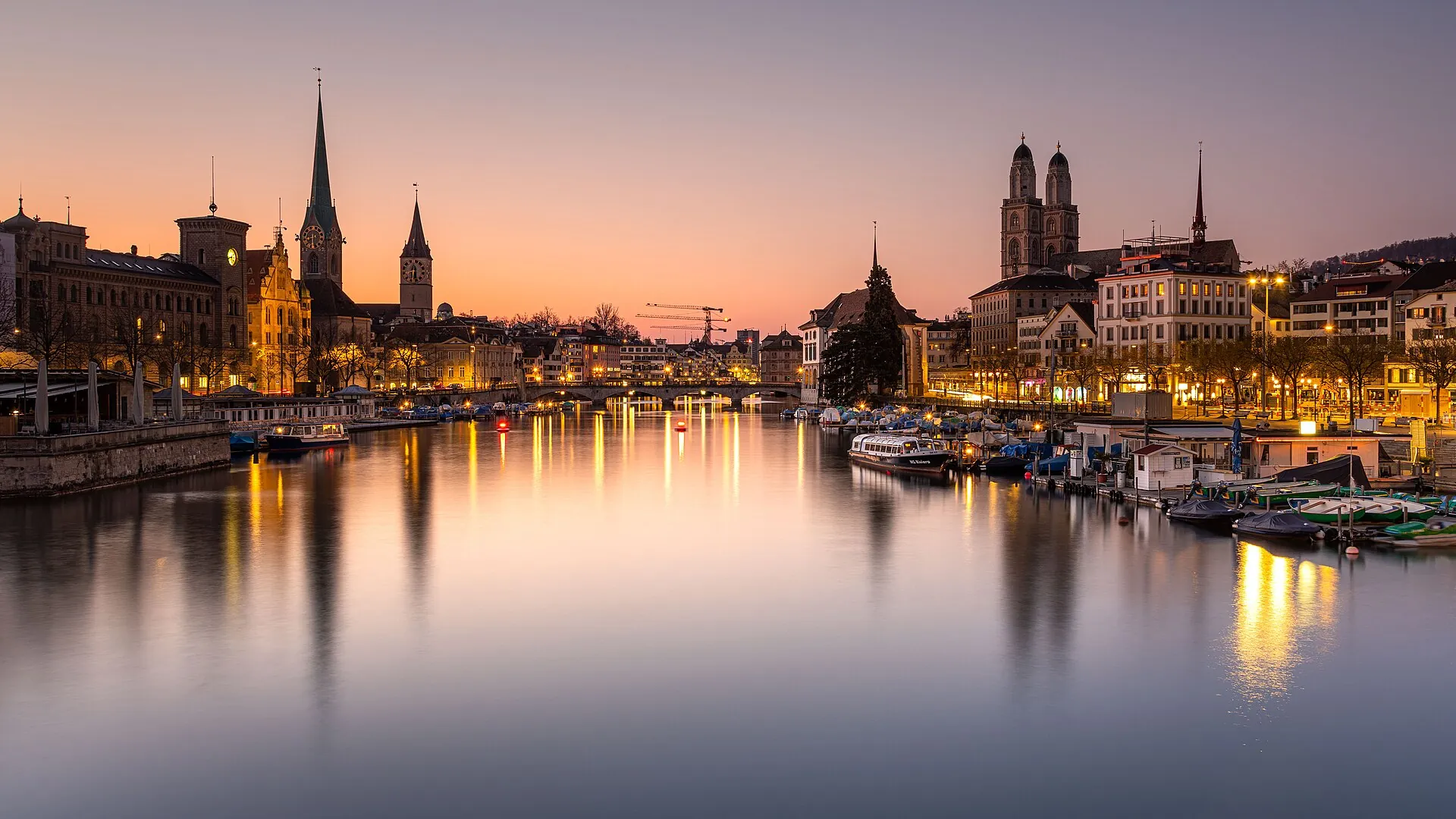
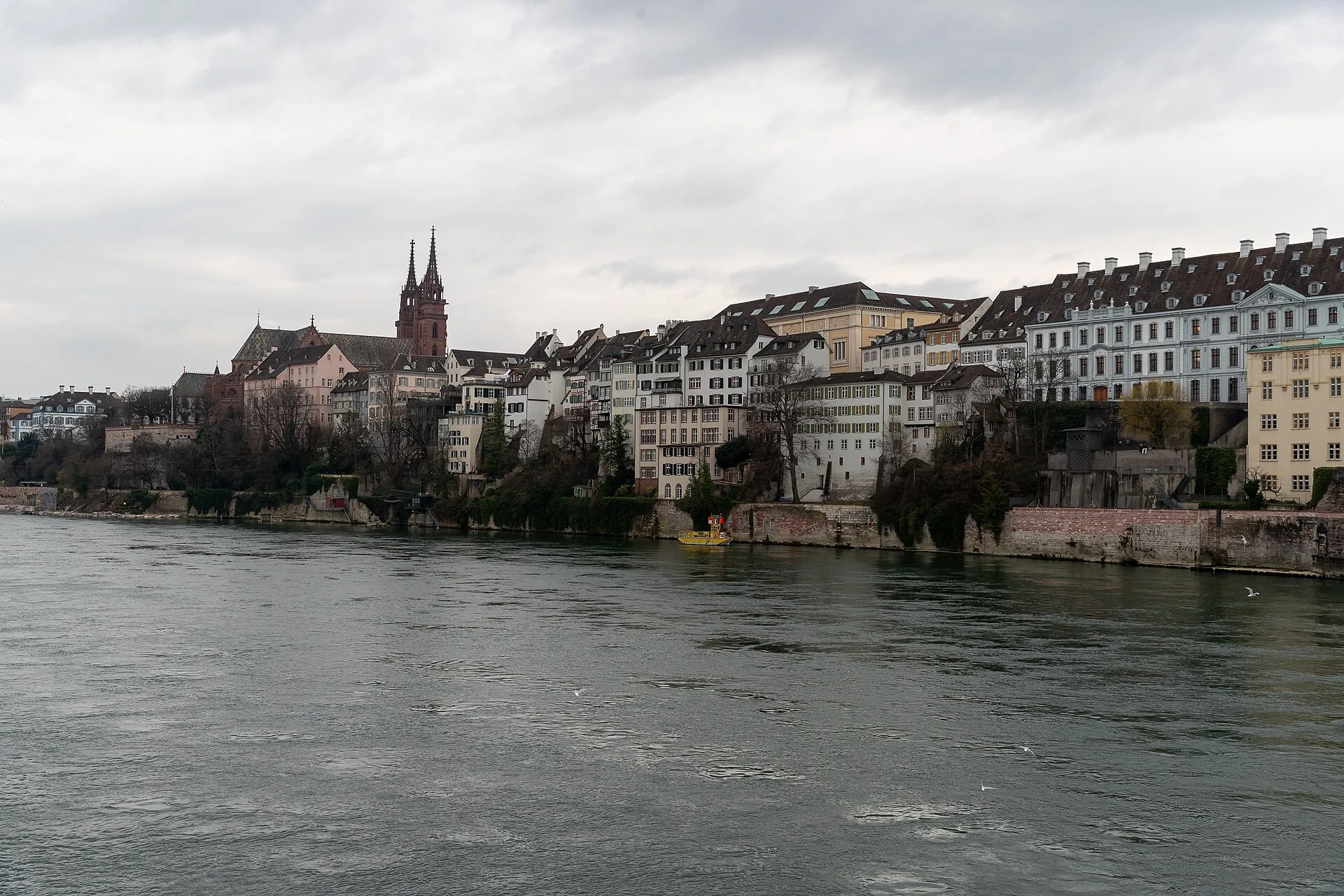
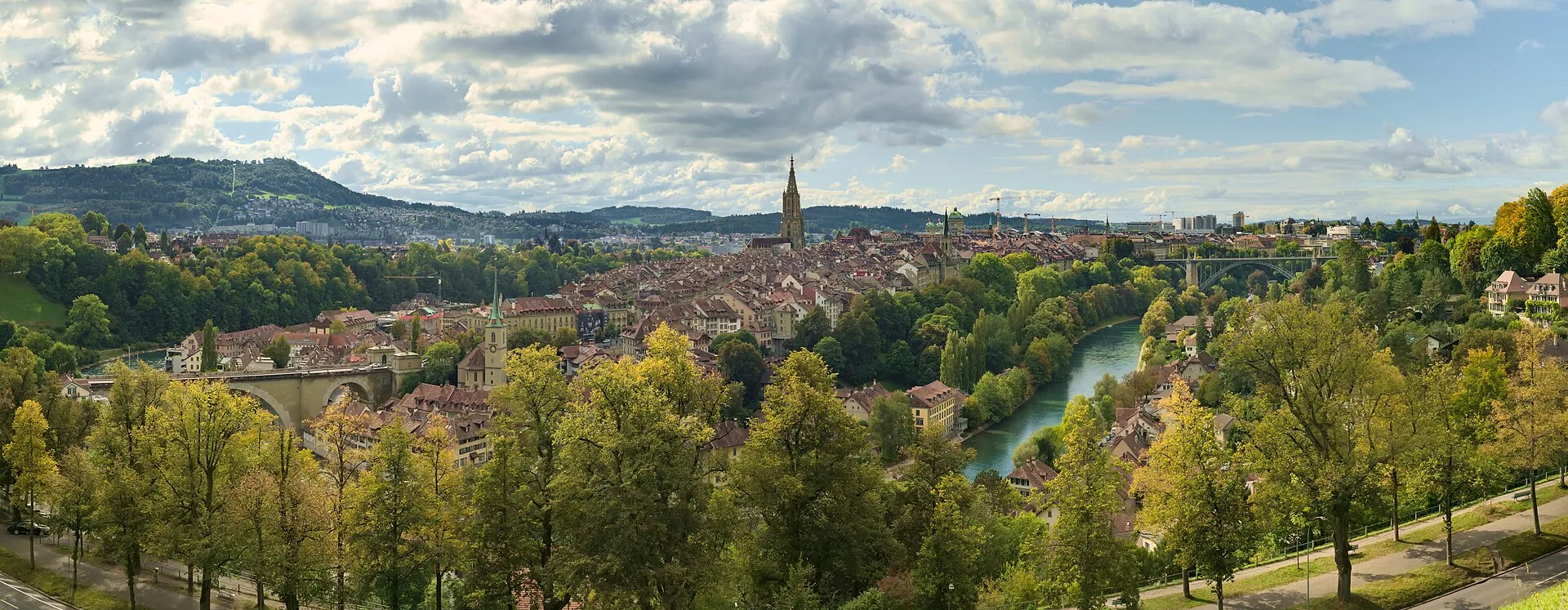
01 Pass02 Base03 Mountain
The rail decides the trip

Three decisions cost real money here. Start with those.

Switzerland rewards arithmetic more than inspiration. The pass or the ticket, Interlaken or Lucerne, the mountain that is worth its fare — get those three right and the rest of the trip organises itself. This guide answers them with the operators' own 2026 prices and clear trade-offs, and tells you when the answer is no.

Planning at a glanceOfficial prices · 2026
01 / PassCHF 254–499Swiss Travel Pass, 2nd class, 3 to 15 days. SBB's own table, valid until 31 December 2026.
02 / Included3 mountainsRigi, Stanserhorn, and Stoos are included outright. Other mountain discounts vary; Jungfraujoch is 25%.
03 / JungfraujochFrom CHF 119.60Jungfrau Railways' advertised from-price, which varies by origin, date, route, and entitlement.
Photo: Ermell / Wikimedia Commons· CC BY-SA 4.0· adapted for web
Choose the right base

Choose Lucerne or Interlaken first, then pick the valley that suits your days.

Each place offers a different kind of stay. Think about where you want to spend the evening, then check the next morning’s rail connections and mountain plans.

01 Arrival02 Base03 Mountain
CH / 01City + mountains
Lake city

Lucerne

City + lakeevening base
Rigiincluded with pass
3 choicesnearby mountains

Pick Lucerne when you want a real city between mountain days, with boats on the lake and easy access to Rigi, Pilatus, and Titlis.

Compare the two bases
CH / 02Jungfrau access
Alpine gateway

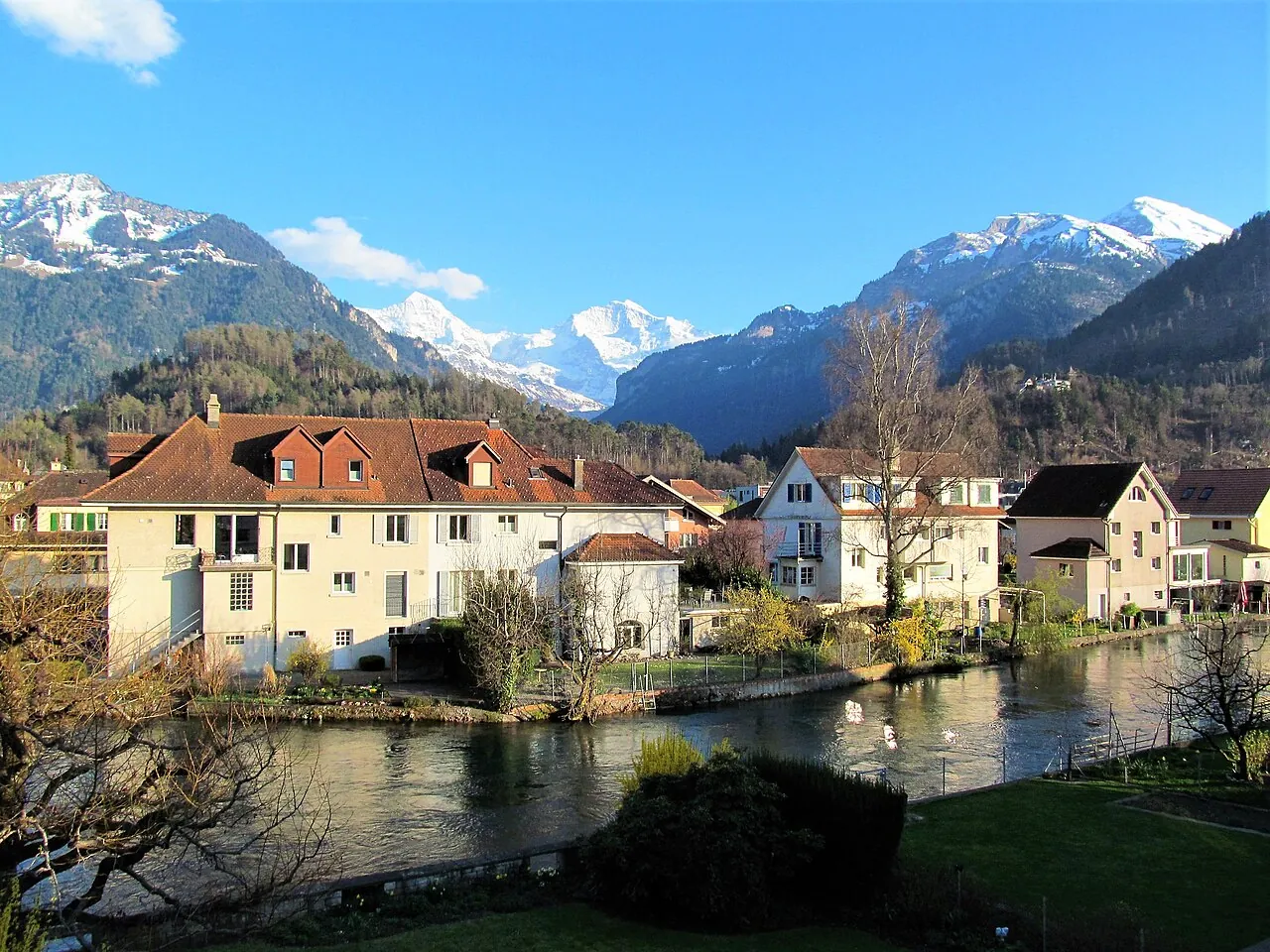
Interlaken

2 stationsrail connections
2 valleyseasy reach
Flexiblewet-day plans

Pick Interlaken when the Jungfrau region is the trip and you want the easiest base for changing valleys or changing plans.

Compare the two bases
CH / 03Two valley sides
Waterfall valley

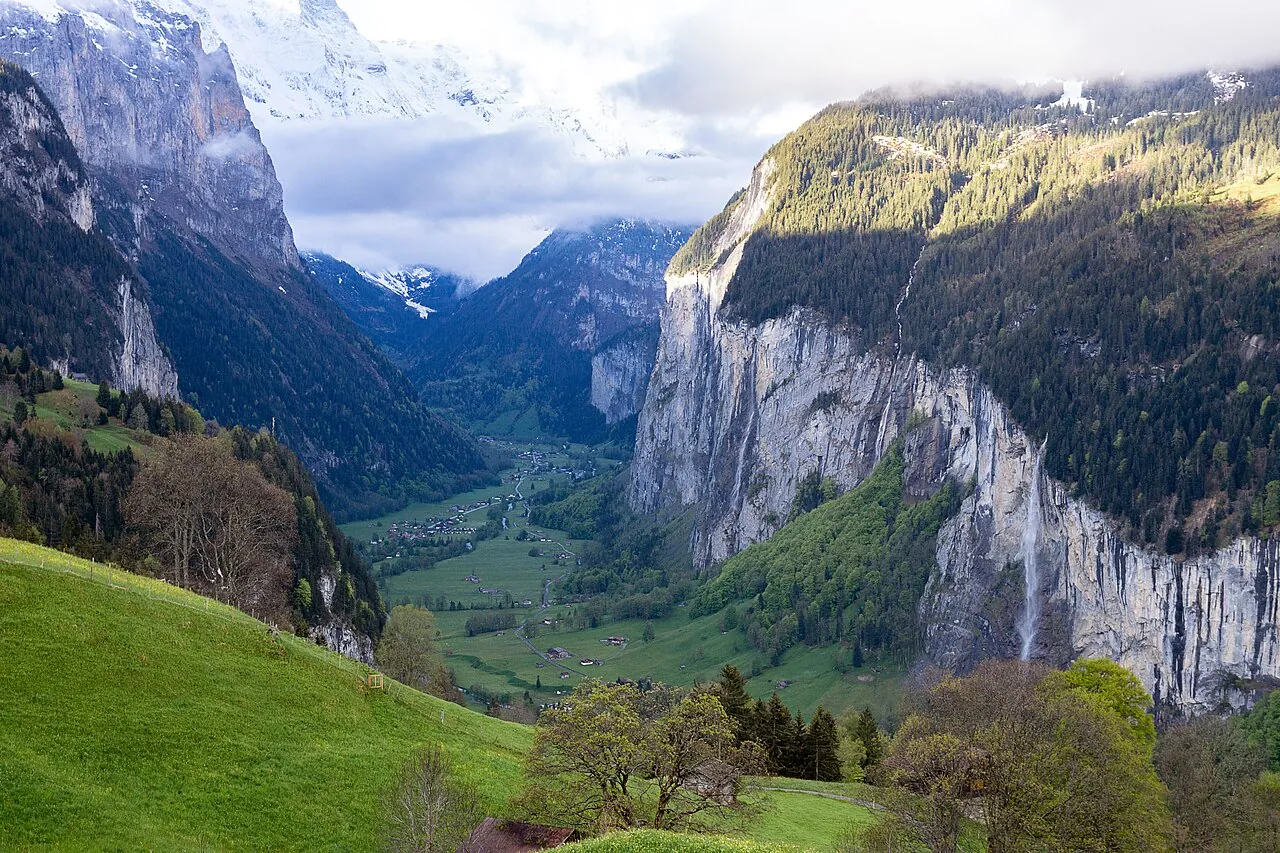
Lauterbrunnen

Valley floorbase type
Wengeneast side
Mürrenwest side

Pick Lauterbrunnen for the waterfall valley and the most balanced access to both Wengen and the Mürren–Schilthorn side.

Choose a Jungfrau base
CH / 04Mountain doorstep
Eiger village

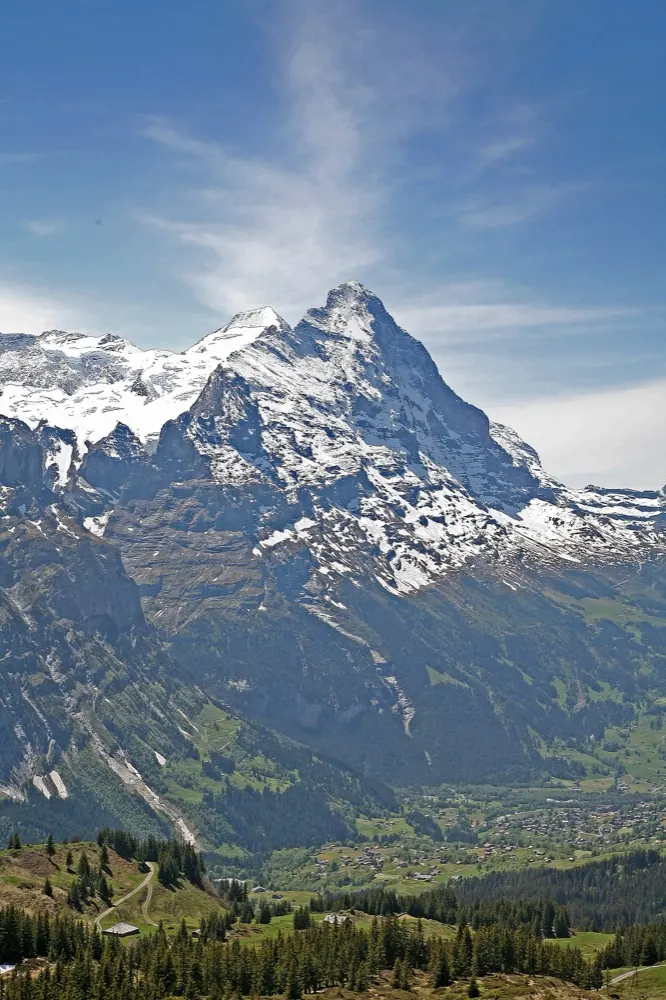
Grindelwald

Eigervillage view
Firstlocal excursion
Road + railarrival

Pick Grindelwald when the Eiger, First, and the Eiger Express matter more than having the region's widest connections.

Choose a Jungfrau base
CH / 05Quiet mountain stay
Titlis village

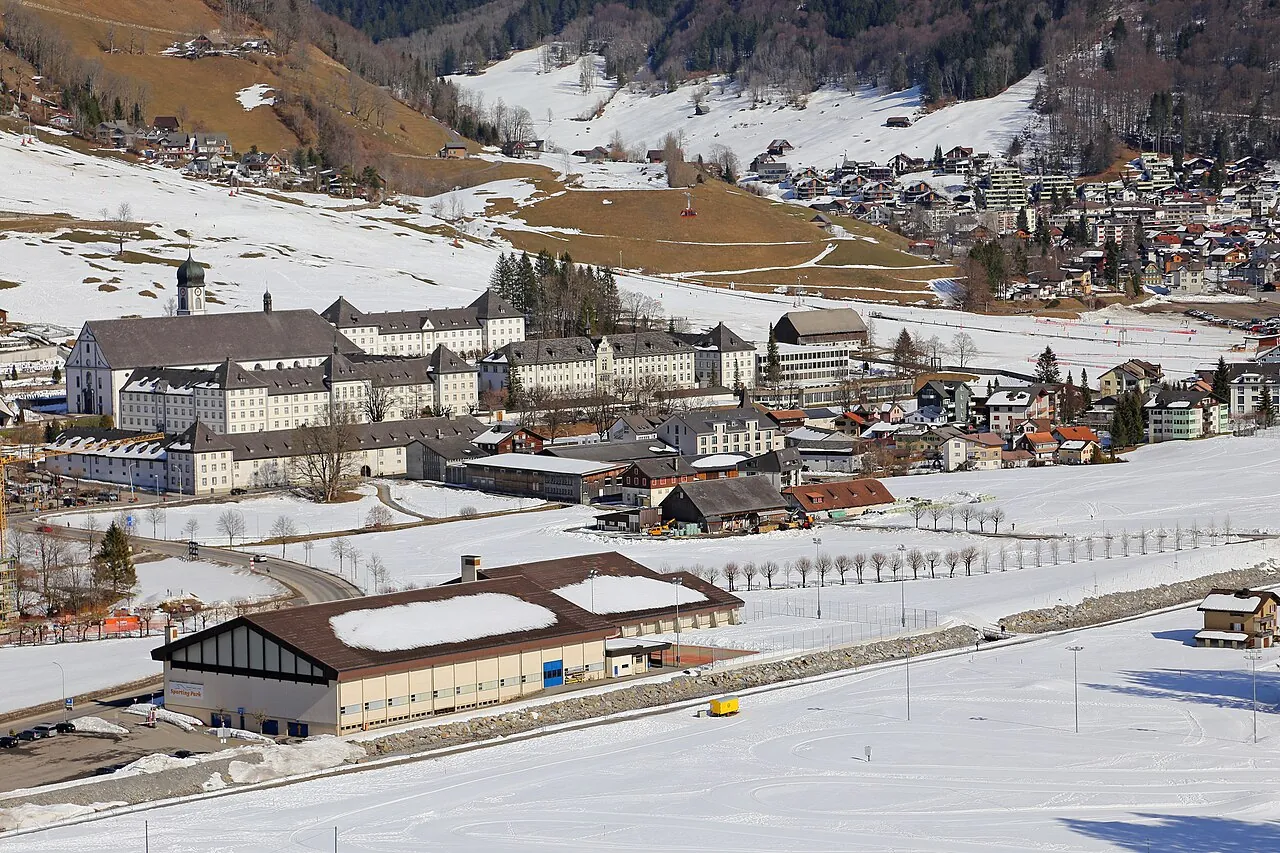
Engelberg

Titlismain excursion
Direct railfrom Lucerne
Monasteryvillage character

Pick Engelberg for a quieter stay beneath Titlis; stay in Lucerne if the mountain is only one day of a broader lake trip.

Choose the mountain
Panorama: Ximonic (Simo Räsänen) / Wikimedia Commons· CC BY-SA 3.0· adapted for web
Practical guides

Six guides for six practical choices.

Each guide answers a practical question, gives the number that matters, and links to its source. Start with the question that matches your trip.

Passes and tickets01

Swiss Travel Pass or point-to-point tickets: the honest arithmetic

Compare 2026 Swiss Travel Pass prices with point-to-point tickets, the Swiss Half Fare Card, and the real discounts on mountain excursions.

Read the guide

Choosing a base02

Interlaken or Lucerne: which base is right for your Swiss trip

Choose Lucerne for a lake city and mountain day trips; choose Interlaken when the Jungfrau valleys are the trip and transport access matters most.

Read the guide

Where to stay03

Where to stay in the Jungfrau region: Interlaken, Grindelwald, Lauterbrunnen, or car-free Wengen and Mürren

Compare Interlaken, Grindelwald, Lauterbrunnen, Wengen, and Mürren by rail access, car access, luggage, scenery, and evening atmosphere.

Read the guide

The expensive question04

Is Jungfraujoch worth it? An honest answer before you buy

Decide whether Jungfraujoch is worth the live fare, understand the pass discounts, and compare Schilthorn, Grindelwald First, and Gornergrat.

Read the guide

The Lake Lucerne mountain choice05

Pilatus, Rigi, or Titlis: which Lake Lucerne mountain to actually do

Compare Pilatus, Rigi, and Titlis by journey, scenery, weather risk, and Swiss Travel Pass coverage before choosing a Lake Lucerne mountain day.

Read the guide

Rail versus road06

Switzerland without a car: when rail genuinely beats hiring one

Compare rail and driving in the Bernese Oberland and Lake Lucerne, including car-free villages, pass coverage, parking, and when a hire car still helps.

Read the guide

Plan by region

Two regions, with the main arrival gateways shown beside them.

This guide focuses on the Bernese Oberland and Lake Lucerne. Zurich, Geneva, and Basel remain on the map because many trips begin there; use them to understand the first transfer rather than as automatic bases.

Switzerland travel mapPins link each place to the relevant guide; they do not mark official boundaries.

Open the full travel map

Culture and context

The railway, not the summit, is what Switzerland actually made.

A federation of valleys connected by passes, railways, and lake routes. The cultural guide explains why the journey between places matters as much as the summit at the end.

WaterThe Alpine watershed that makes Switzerland the water tower of Europe: the Rhine flows to the North Sea, the Rhône to the Mediterranean, the Ticino to the Adriatic, and the Inn to the Black Sea — four seas fed from one small country, and the reason its glaciers and lakes are a continental concern rather than a local one.
PassThe gap between valleys as the country's original asset. The Gotthard, the Simplon, the Great St Bernard: scarce, defensible, and worth paying for. Control of the transit routes is what made a handful of mountain communities matter to the empires on either side.
PactThe habit of settling by treaty between equals rather than by conquest — the confederal reflex that grew from valley communities into cantons, and from cantons into a federal state with four languages, direct democracy, and a deliberately weak centre.
RailThe nineteenth-century decision to answer the mountains with engineering: tunnels through the passes, cogwheels and cables up the faces, and a timetable so dense it replaced the road. It made crossing the Alps part of the experience, and it is still the thing Switzerland does better than anywhere.

A federation of valleys, not a nation

Four national languages and no Swiss language; a weak capital chosen for being harmless; cantons and communes that hold real power. Switzerland is held together by agreement about procedure rather than agreement about identity — the mountains made anything else impractical.

The pass was the first asset

Uri, Schwyz, and Unterwalden sat at the northern end of the Gotthard route, and controlling that gap is what made three valley communities worth defending. The Confederation began as a transit alliance with a mutual-defence clause.

The water tower of Europe

One small country's rain leaves for four seas: the Rhine to the North Sea, the Rhône to the Mediterranean, the Ticino to the Adriatic, the Inn to the Black Sea. The glaciers that feed them are continental infrastructure, and they are retreating.

Armed neutrality, and both of its faces

Recognised at Vienna in 1815, maintained through both world wars, and always paired with a citizen army. It produced the Red Cross at Geneva in 1863 and the Geneva Conventions — and also banking secrecy and a long, contested wartime reckoning. Both belong in the account.

The railway is the national work of art

Rigi's cogwheel line in 1871, Pilatus in 1889, the Jungfraujoch in 1912 after sixteen years inside the Eiger, the Gotthard Base Tunnel in 2016. Switzerland did not merely tunnel through its mountains; it climbed them on rails, speculatively, for the view.
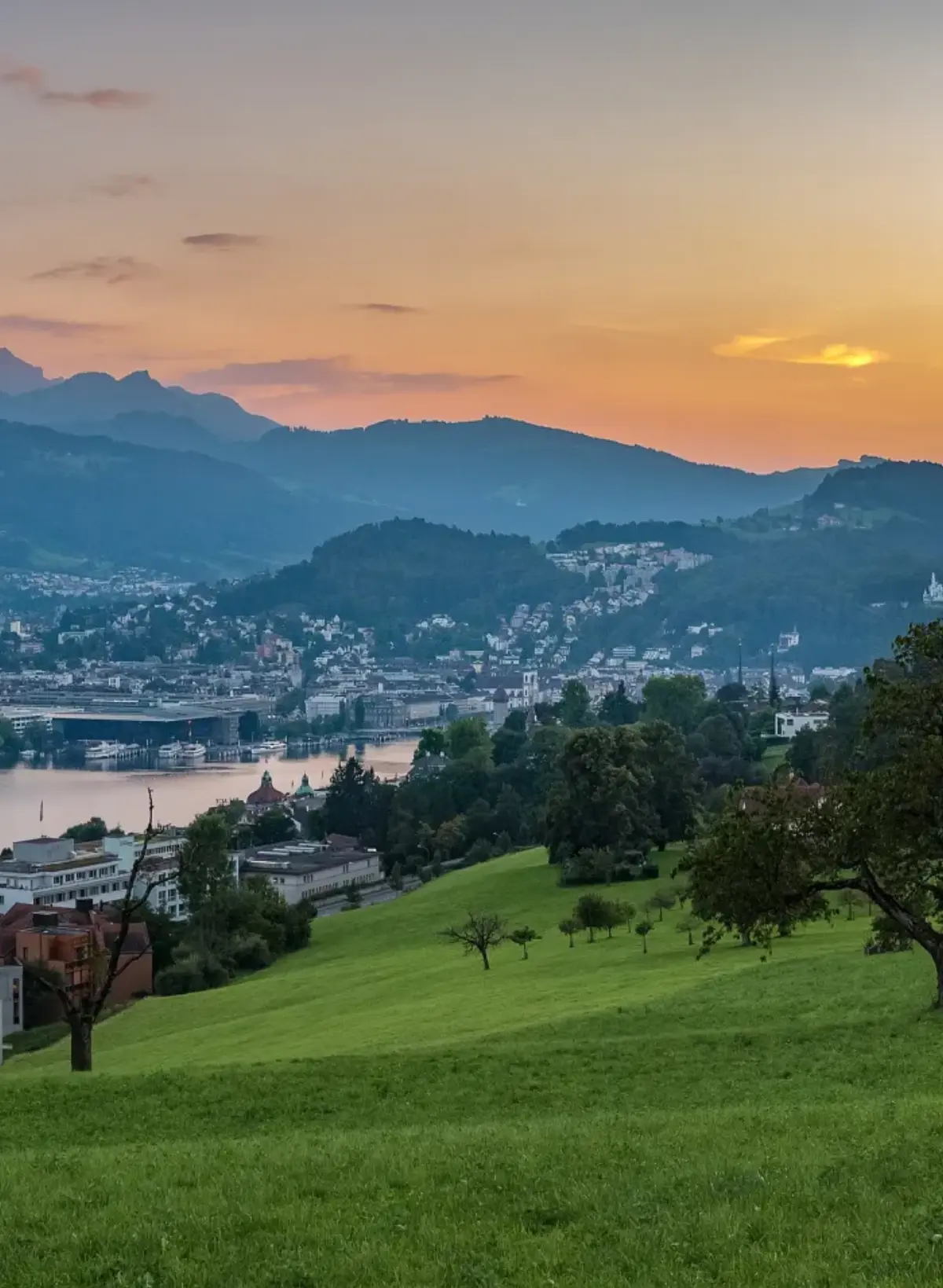
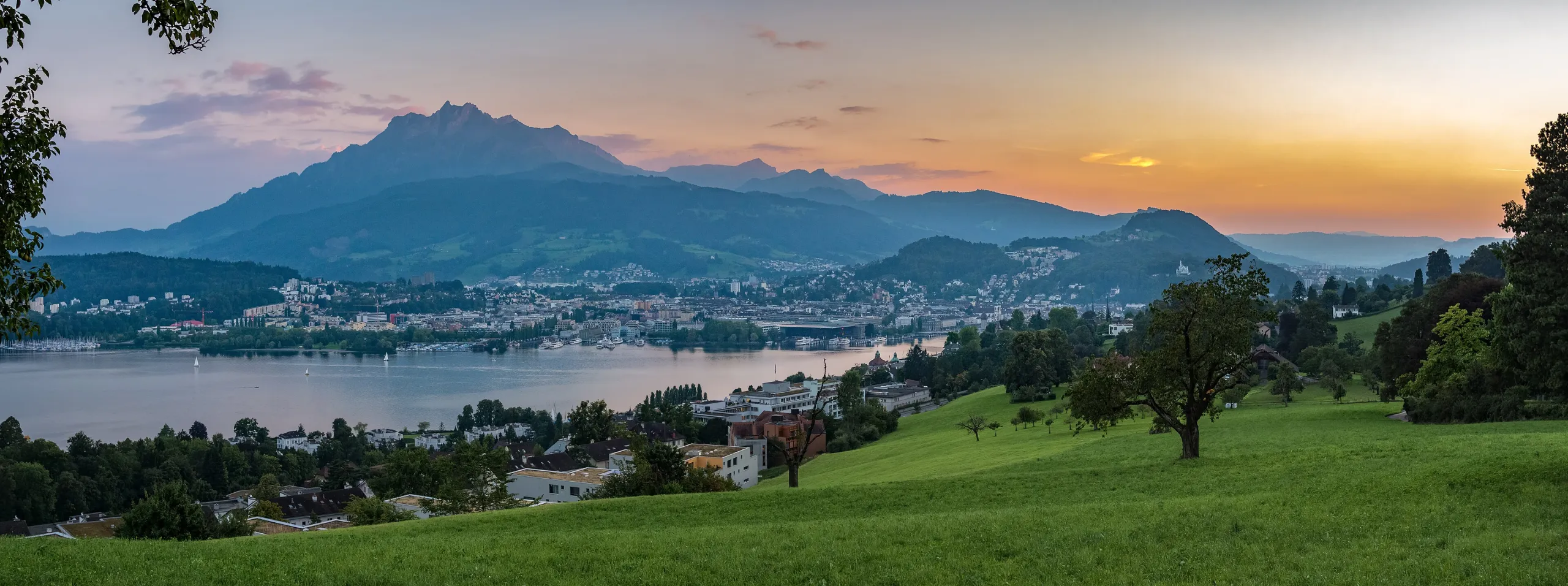
Choose the right base

Start with the experience, then choose the region.

The right base depends on what you want to do after breakfast and where you want to be after the last train or boat of the day.

City evenings and mountain days

Choose Lucerne when you want a proper city, a lakefront, and several mountain choices without giving up restaurants and evening life.

The mountains are the trip

Choose Interlaken for flexibility, or move farther into Grindelwald, Lauterbrunnen, Wengen, or Mürren when waking up inside the landscape matters more than having the widest connections.

One headline mountain

Pick Jungfraujoch for altitude and the glacier, Rigi for the best pass value, Pilatus for the round-trip journey, or Titlis for snow and ice. The weather can change that answer on the day.

How we verify

Every number on this site names where it came from.

Prices are read from the operator's own page and cited to it with their conditions. Where a useful number could not be sourced, the claim was dropped rather than filled in.

What we will not do

  • Invent a price, a visitor number, or a statistic. If it is not sourced, it is not here.
  • Present a from-price as the fare every traveller will pay.
  • Recommend a mountain without naming the weather and season risk.
  • Hide a paid link. Pages carrying one identify it clearly.

Where the current fact lives

Fares move, seasons close lines, and weather decides mountains on the day. Use this site for planning advice and the dated reference; use the operators for the current fare, opening, and conditions.

Review the source list